Cyprus Construction Costs Continue to Rise in May 2026
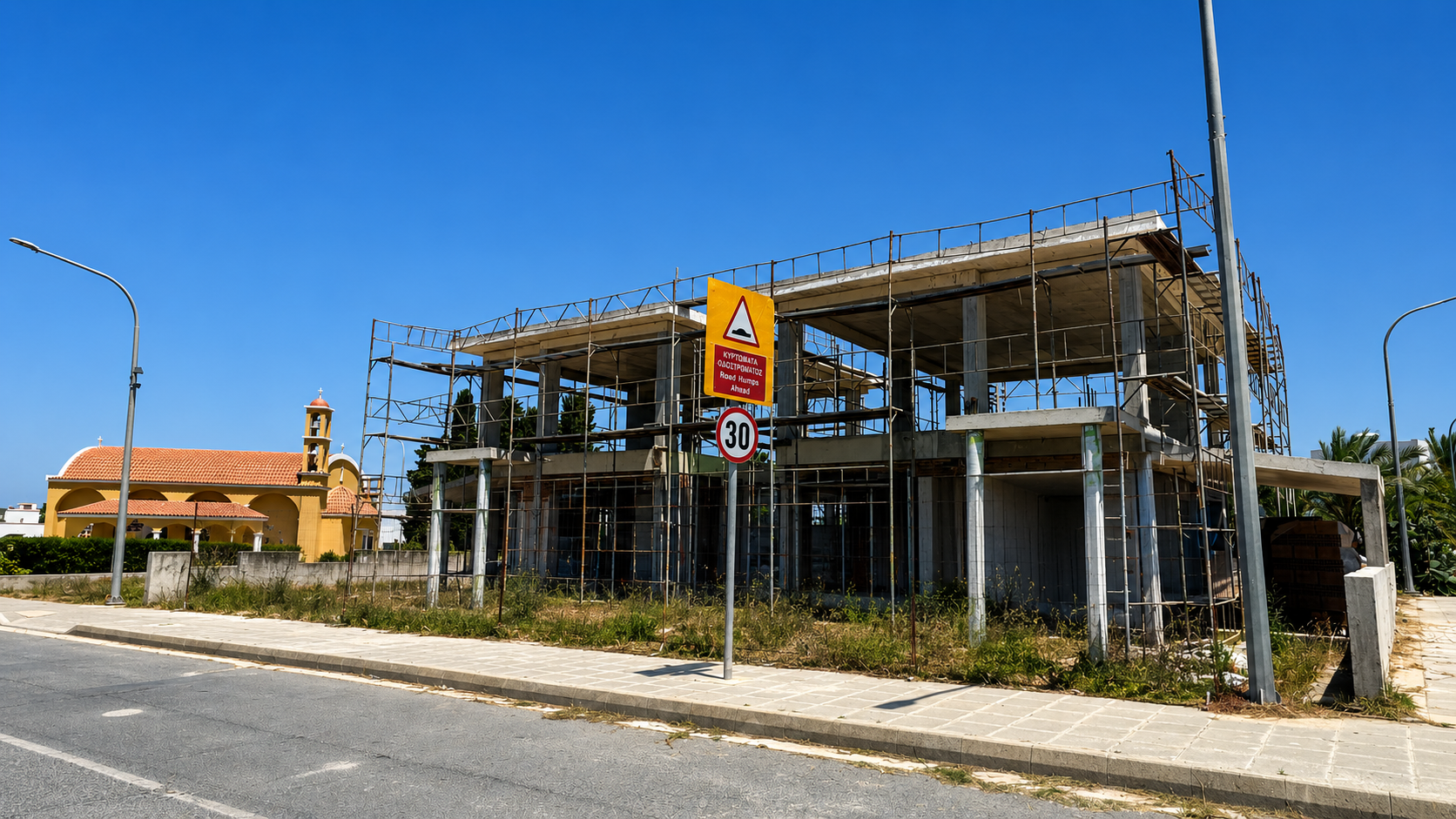
Construction costs in Cyprus continued their upward trajectory in May 2026, driven by rising prices for metals, timber and electromechanical products, according to the latest data released by the Cyprus Statistical Service (Cystat).
The Price Index of Construction Materials reached 122.07 points in May, based on 2021 as the reference year (100 points), marking a month-on-month increase of 1.16%. Compared with May 2025, the index rose by 2.62%, indicating that inflationary pressures remain present despite a broader slowdown in construction cost growth across Europe.
Among the major categories, metallic products recorded the steepest annual increase, rising by 4.31%. Prices for wood products, insulation materials, chemicals and plastics increased by 3.49%, while electromechanical products rose by 2.97%. Mineral materials also registered increases, reflecting persistent cost pressures across the construction supply chain.
During the first five months of 2026, the overall construction materials index increased by 1.32% compared with the same period in 2025, suggesting that Cyprus continues to experience moderate but sustained growth in building costs.
The latest figures mirror broader European trends. According to the Royal Institution of Chartered Surveyors (RICS), construction inflation across Europe has shifted away from the sharp price spikes seen after the pandemic and energy crisis toward a more selective and moderate recovery. Although supply chains and logistics have improved significantly, construction costs remain well above pre-2020 levels.
RICS noted that Europe’s construction industry is entering a period characterised by slower inflation, more stable supply chains and improved logistics conditions. However, new risks are emerging, including electricity availability, labour shortages and increasing carbon-related costs.
The organisation also highlighted steel and copper prices as the main sources of market volatility, affecting cables, switchgear, reinforcement steel and mechanical and electrical installations. This assessment aligns closely with developments in Cyprus, where metallic products posted the highest annual increase among all material categories.
Meanwhile, cement and brick prices have become more stable compared with 2022 and 2023. Nevertheless, they remain structurally more expensive due to higher energy and carbon costs that continue to be passed on to consumers.
Geopolitical uncertainty also remains a major factor influencing construction markets. According to construction cost consultancy Compass International, Europe entered 2026 with a restrained recovery and relatively modest economic growth prospects. The firm identified the ongoing war in Ukraine and tensions in the Middle East as factors weighing on investor confidence and business decisions.
Although reports suggest that the conflict involving Iran may be approaching a resolution, uncertainty remains regarding its long-term implications for global energy markets and inflation. RICS warned that energy prices continue to be the primary channel through which geopolitical developments affect construction budgets, as higher fuel costs directly impact quarrying, metal processing, cement production and transportation.
Despite persistent cost increases, Cyprus’ construction sector remains resilient. Separate figures released by Cystat last week showed a significant surge in building permits during the first two months of 2026, led primarily by residential development.
The number of approved dwelling units increased by 79.2% year-on-year, while the total value of permits rose by 56.5%, highlighting strong demand and a robust pipeline of future construction projects across the island.